Our Juvenile Justice Program supports children who struggle to be safe at home, often facing emotional, behavioral, and psychiatric challenges.
While living on the DABSJ campus, girls ages 13-17 work on an individualized, intensive plan that builds coping tools and skills for when they successfully move on. The program focuses on healing past trauma, developing a healthy identity, and learning independent living skills.
Living at DABSJ
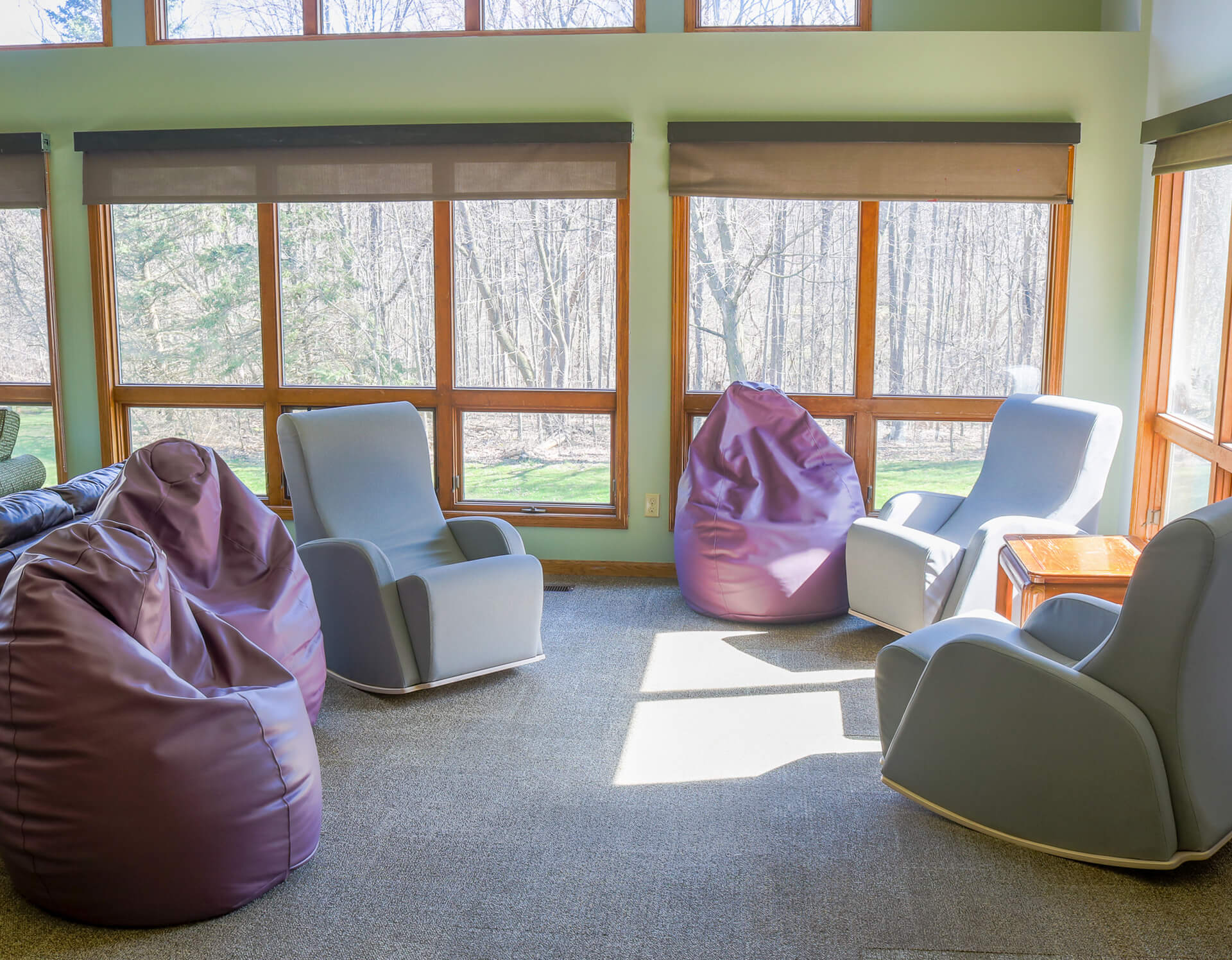
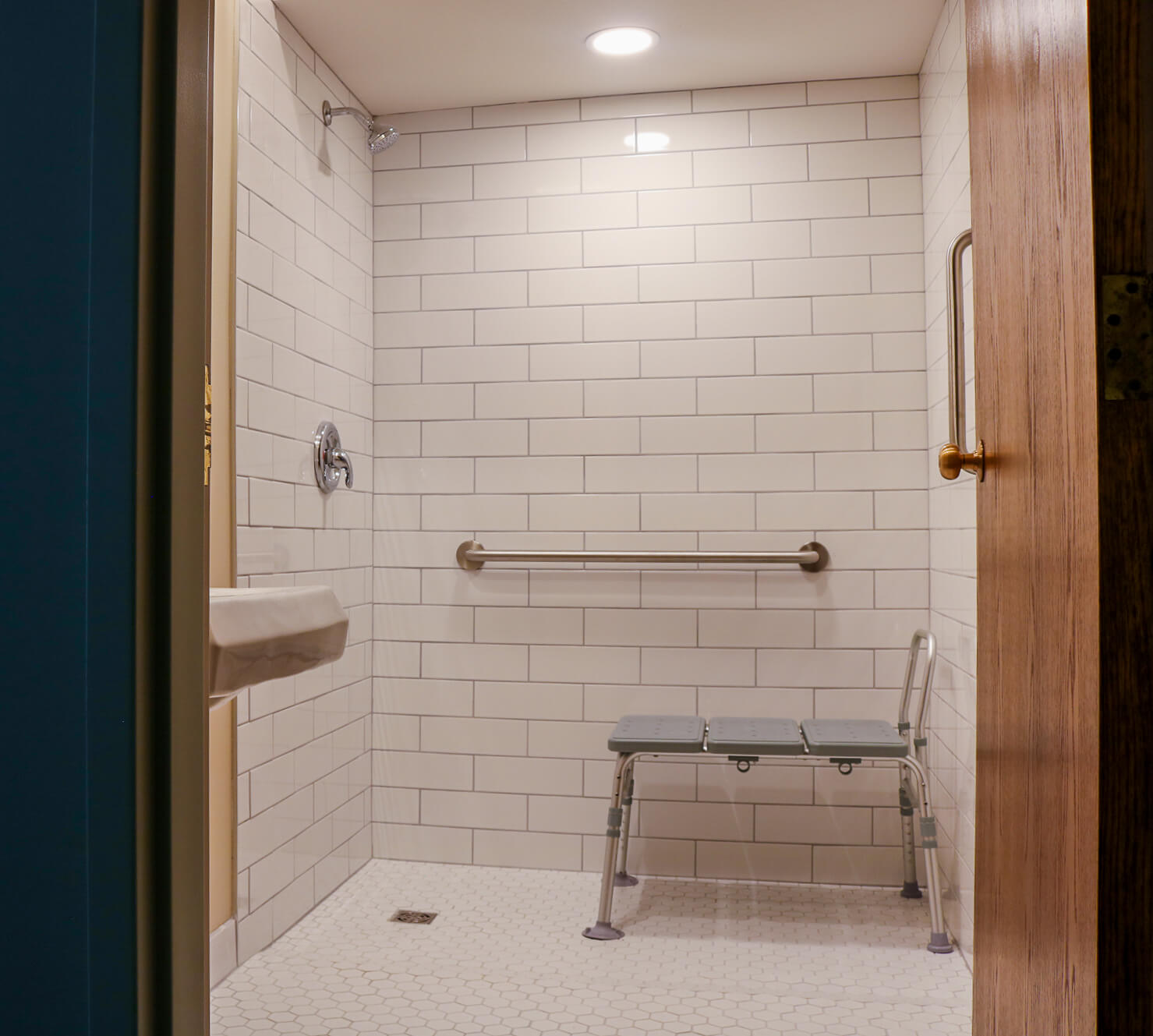
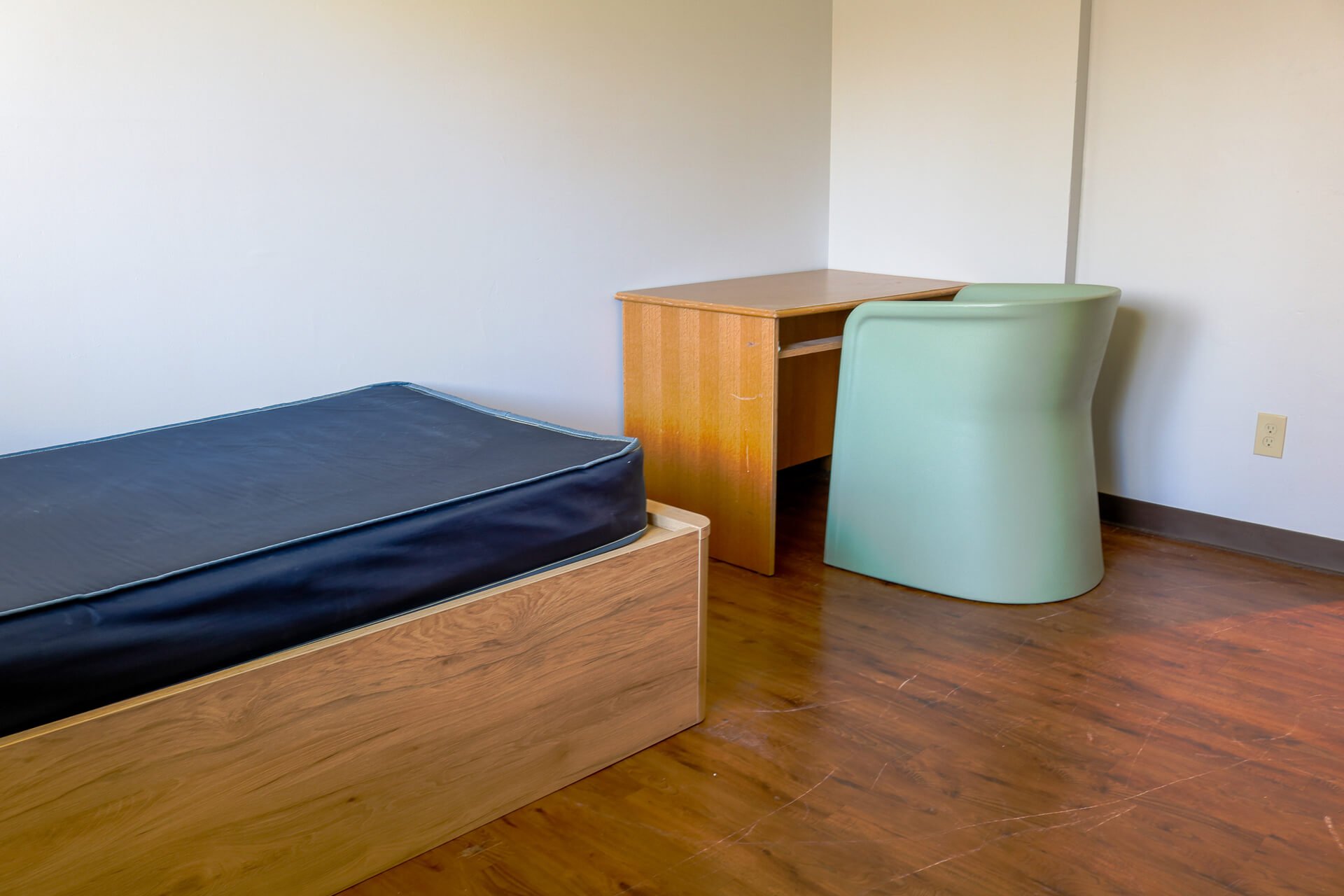
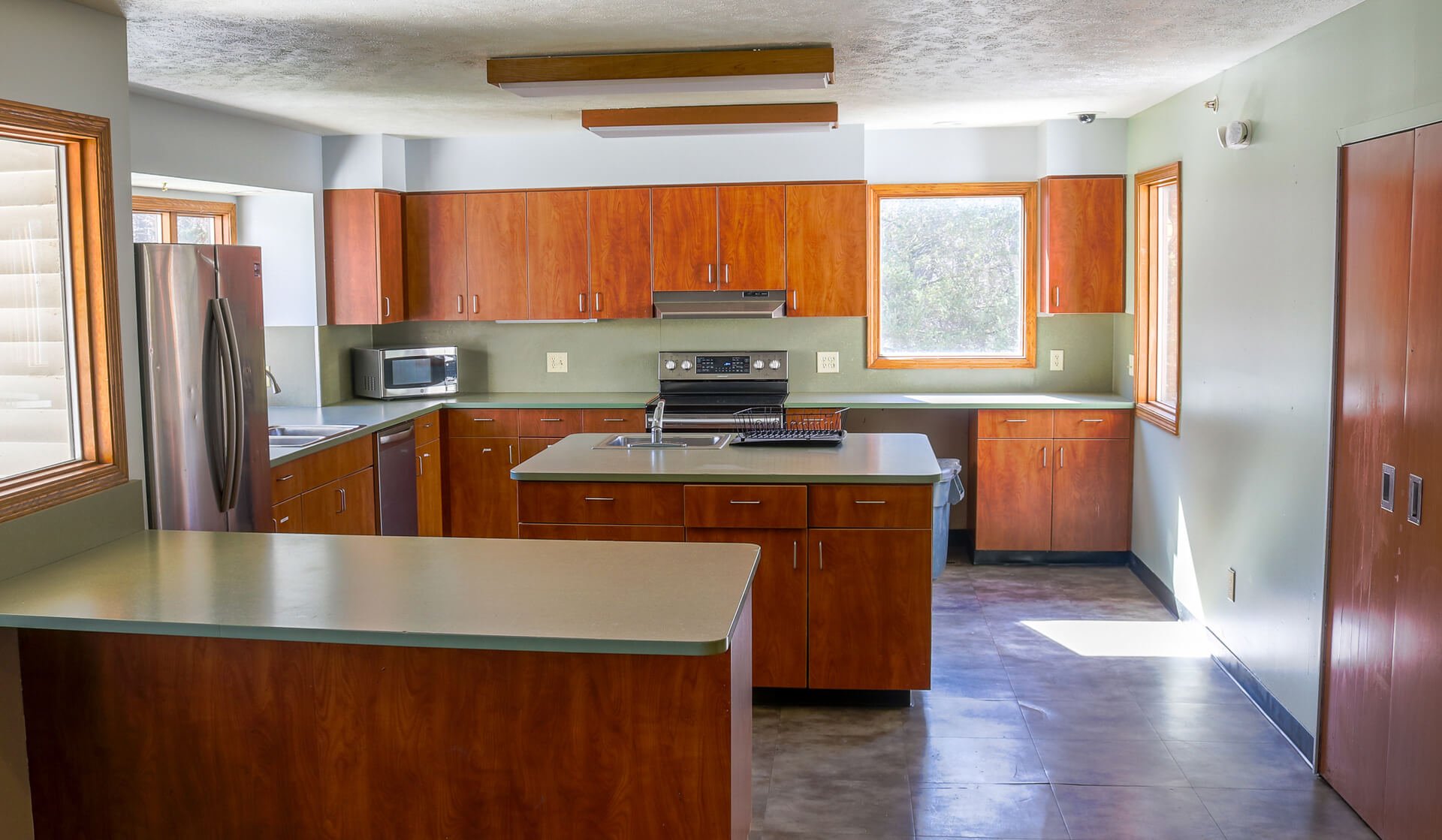
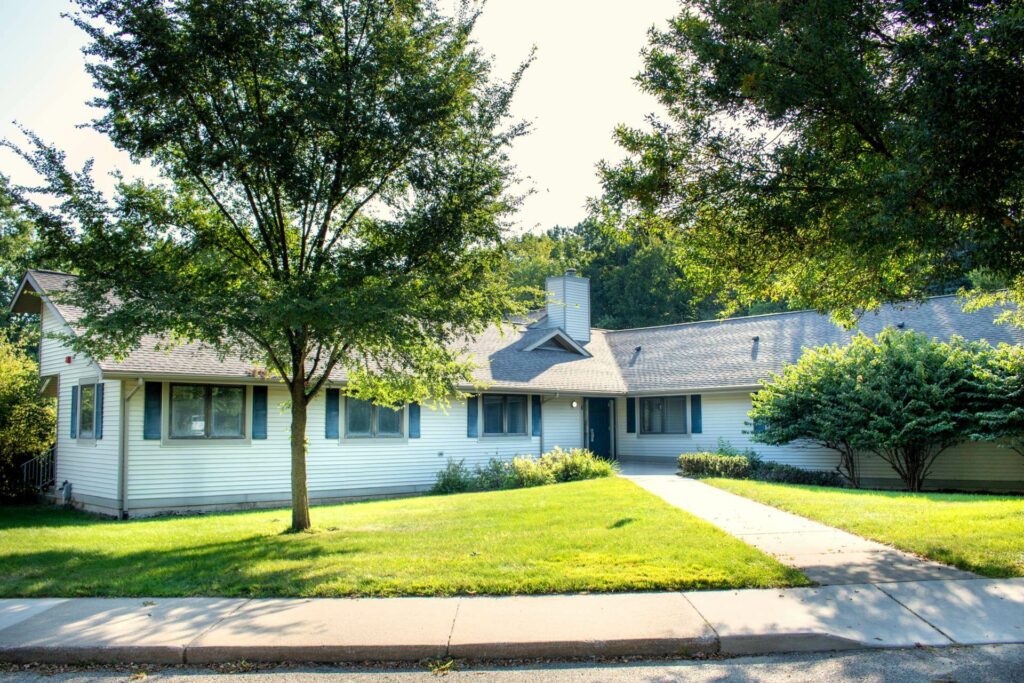
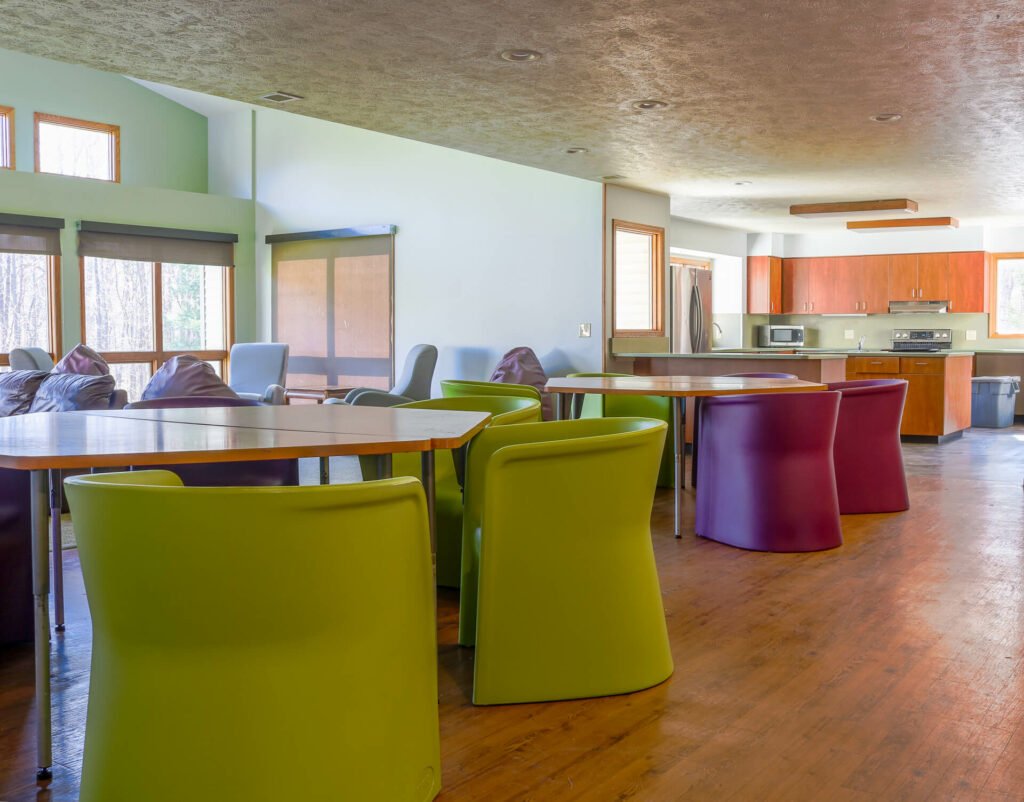
Nestled in the woods on DABSJ’s 36-acre campus, our Residential Treatment homes provide a healthy family-like atmosphere. Each home has a comfortable living area with floor-to-ceiling windows, an open kitchen, dining area, and a large recreation room. Outside, kids use our sidewalks for biking and skating and playing on our basketball court and large ball field. The nature around the homes provides a serene environment for healing – from the trees and babbling stream, to a community garden and visits from wildlife.
Community Connection
The open program setting means youth attend school and other activities out in the community, building on kids’ strengths and guiding them toward higher levels of functioning. They can also enjoy things like playing an instrument, cooking new recipes with food from the garden, celebrating holidays, or keeping a scrapbook. Day excursions to concerts, sporting events and cultural festivals, and occasional overnight trips to campgrounds or college campuses are eye-opening “firsts” for many that help change their perceptions.
Specialized Support
In Residential Treatment, licensed master’s level therapists work with each child in the way they need. Youth receive intensive individual therapy, group therapy, and family therapy based on their individualized treatment needs and goals.
Children in Residential Treatment are facing difficult challenges. At DABSJ, they are surrounded by care and support. Our therapists specialize in working with anxiety, depression, substance abuse and sensory integration. They are trained in play and art therapy, trauma-informed treatment, reactive attachment disorder, substance abuse treatment, seeking safety, motivational interviewing, Trauma-Focused Cognitive Behavioral Therapy (TF-CBT), and work effectively with sexually reactive children.
Referring Youth
to Residential Treatment
Youth must be referred to Residential Treatment. We accept referrals from the Michigan Department of Health and Human Services (MDHHS). Please note that private insurance does not cover our Residential Treatment. For questions, please contactresidentialintake@dabsj.org.
DABSJ is a PREA compliant organization. You can access our PREA policy and Procedures below. If you have any questions regarding PREA please contact our PREA Compliance Coordinator, Holly Anderton athanderton@dabsj.org
DABSJ is inclusive and welcoming – from our team members, to the children we serve, to the families we license as foster parents. You could play a part in providing homes and hope for children who need a place to be themselves.